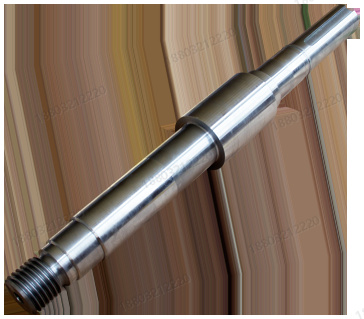
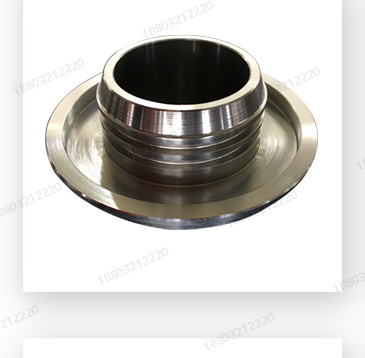
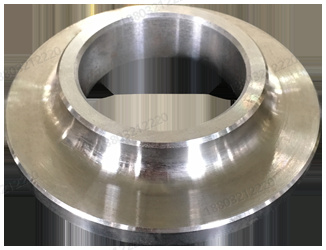
The bearing assembly is the drive path of the pump and the main diagnostic window: vibration, temperature and noise usually appear here first, although the root cause is often upstream in impeller imbalance, misalignment or lubrication.
Replacing the complete assembly is more reliable than rebuilding on site, particularly without special tools and a clean area. Alignment and impeller clearance must be reset afterwards, or the new assembly will fail in the same way.
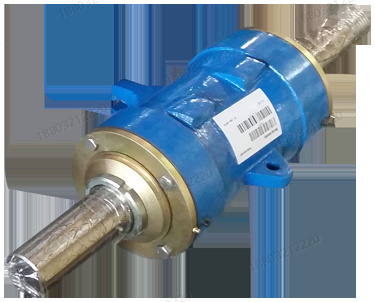
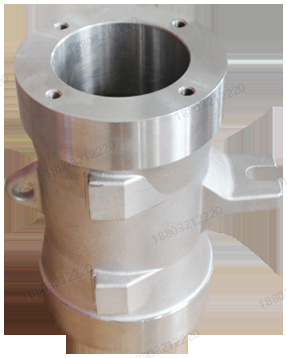
| Part / structure | Description |
|---|---|
| Bearing housing | Locates the bearings and forms the oil and cooling chambers |
| Bearing set | Cylindrical roller bearings for radial load, thrust or angular contact for axial |
| Shaft and seals | Transmits torque; labyrinth and oil seals keep oil in and dirt out |
| Lubrication and cooling | Oil level, drain plugs and cooling water connections |
| Part | Function in the pump | Typical material |
|---|---|---|
| Bearing Assembly | The bearing assembly supports the shaft under radial and axial loads and governs rotor stability. A cartridge design can be removed as a unit to adjust impeller clearance. | Heavy rolling bearings (cylindrical roller plus thrust/angular contact combination) with steel shaft and housing. |
| Bearing Housing | The bearing housing locates the bearings, forms the lubrication chamber, dissipates heat and maintains bearing concentricity. | HT250 grey iron, QT500 ductile iron or cast steel. |
| Shaft | The pump shaft transmits motor torque and supports the impeller. Adequate strength, stiffness and fatigue resistance are required; straightness directly affects vibration and bearing life. | Quality alloy steel or quenched-and-tempered carbon steel, with the seal section protected by a shaft sleeve. |
| Labyrinth Sleeve | The labyrinth sleeve uses a series of tortuous clearances to keep slurry out of the bearing chamber and lubricant in. | Cast iron, steel or wear-resistant alloy, often combined with a water thrower. |
| Grease Retainer | The grease retainer keeps lubricant in and prevents water or slurry from travelling along the shaft into the bearing chamber. | Steel, cast iron or a combination with an elastomer lip. |
Common combinations; grade choice needs medium temperature, concentration and particle size.
| Duty condition | Recommendation |
|---|---|
| Rising bearing temperature | Check oil level, cooling and alignment before replacement |
| Increasing vibration | Rule out impeller imbalance and cavitation, then check clearance |
| No special tools on site | Replace the complete assembly to shorten downtime |
| Critical standby pump | Keep a complete assembly rather than loose bearings |
Model pages list construction, code explanation and chart extracts.
Each part has its own page with basic number, material and matching range.

Heavy rolling bearings (cylindrical roller plus thrust/angular…

HT250 grey iron, QT500 ductile iron or cast steel.

Quality alloy steel or quenched-and-tempered carbon steel, wit…

Cast iron, steel or wear-resistant alloy, often combined with …

Steel, cast iron or a combination with an elastomer lip.
Judge by wall thickness, clearance and performance, not by months in service.
Yes, with the right tools, a clean area and correct clearance setting. Without them the complete assembly is the safer route.
Compare with the manual and bearing maker limits. A rising trend matters more than a single reading.
Re-align the coupling, check impeller-to-liner clearance, confirm lubrication and cooling, then monitor vibration and temperature during commissioning.
Parts are supplied by basic part number because the same name has different numbers in different frames. Send the pump model, frame code and a photo of the worn part, or the basic number directly.
We reply within one business day. You can also call +86 188 0321 2220.
Please provide the pump model, nameplate data and duty parameters by phone or email. Performance charts and manuals can be read online.