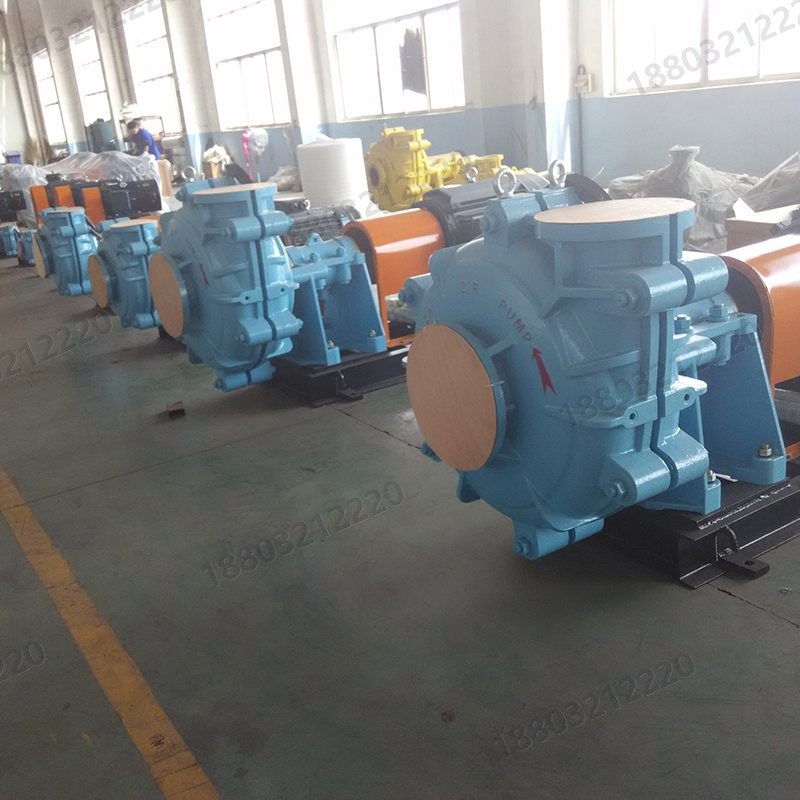
Pump life and efficiency depend on how well the unit matches the medium, particle size, concentration and pipeline.
Seven industries, each with its own wear pattern and material logic. Use these pages to define the duty before comparing prices.
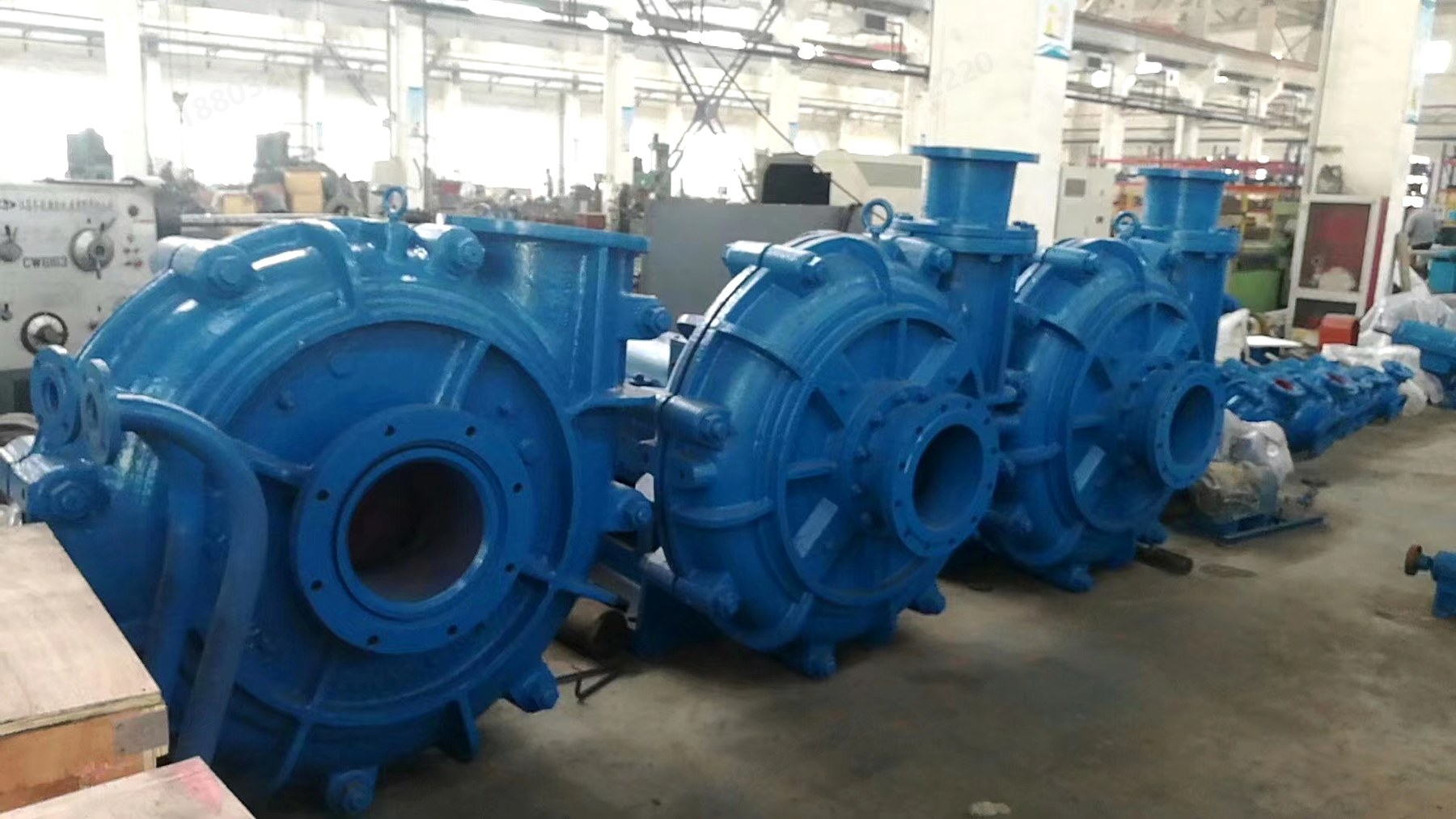
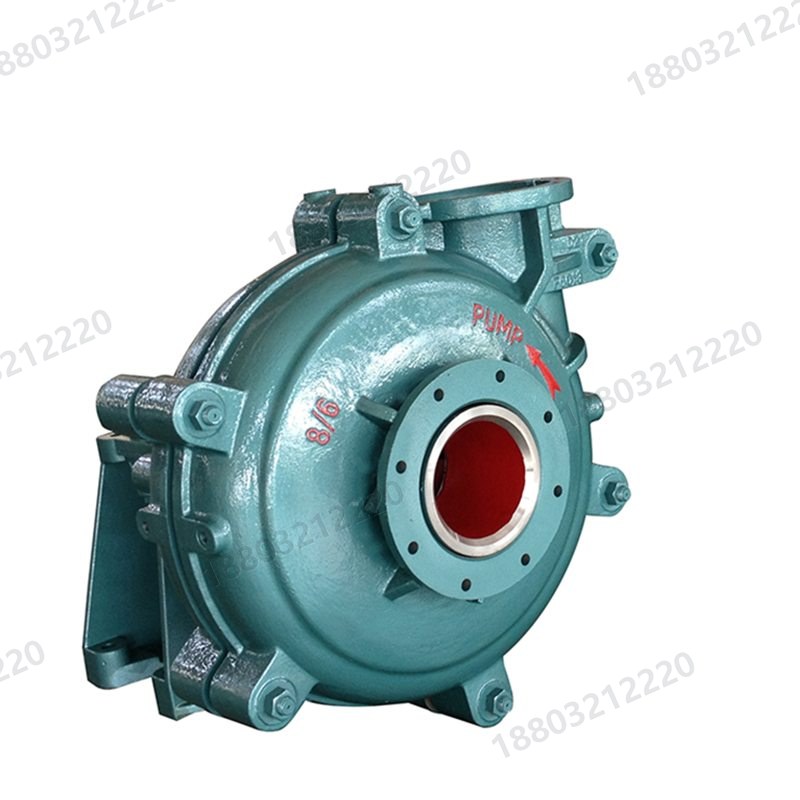
Each page covers duty characteristics, selection notes and common failures.

Coarse solids, high concentration and continuous duty: wear resistance decides uptime.

Fine particles, fluctuating density and reagents: material choice changes service life.

Hot, alkaline and abrasive slurries: temperature and corrosion drive the material decision.

Heavy medium, coal slurry and rejects: high density with angular particles.

Ash handling and FGD limestone slurry: wear and corrosion acting together.

Long distance, high concentration, continuous operation: efficiency and NPSH matter.

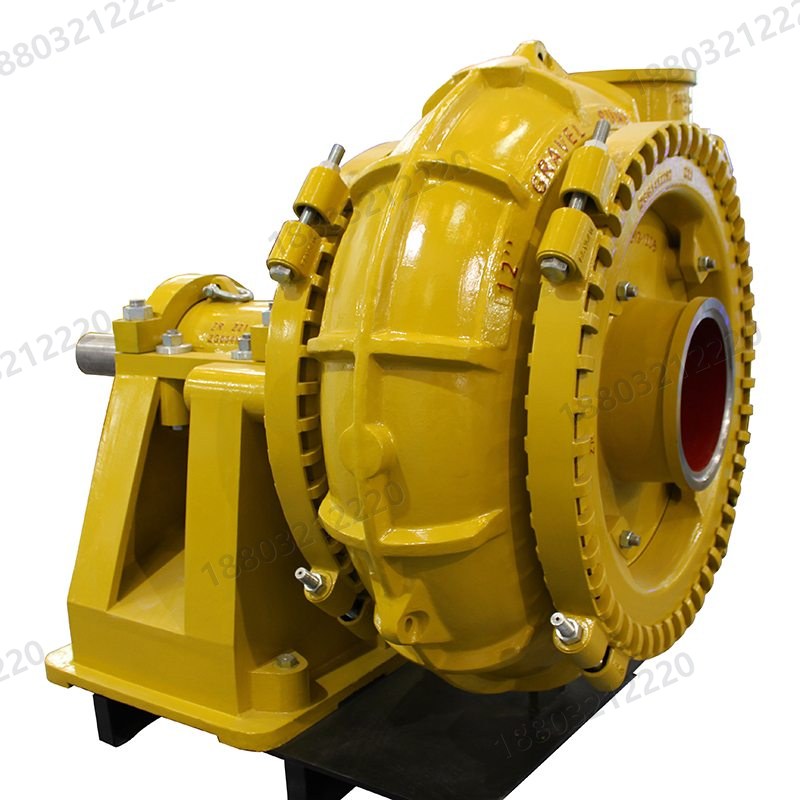
Gravel and dredged sand: large particles require a wide passage, not just wear resistance.
Water, ore slurry, coal slurry, limestone slurry or gravel. Corrosivity, temperature and air content decide the material route and the seal type.
Maximum particle size sets the passage: a wide-passage gravel pump or thick high-chrome parts for coarse solids, rubber for fine particles.
Flow, head, pipeline length and concentration define the duty point, which should sit near the best efficiency point.
Medium and concentration, maximum particle size, flow, head, pipeline length, pH and temperature, power supply and installation. Partial data is enough to start.
We reply within one business day. You can also call +86 188 0321 2220.
Please provide the pump model, nameplate data and duty parameters by phone or email. Performance charts and manuals can be read online.