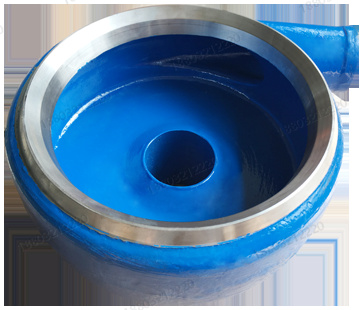
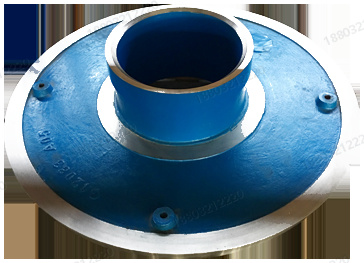
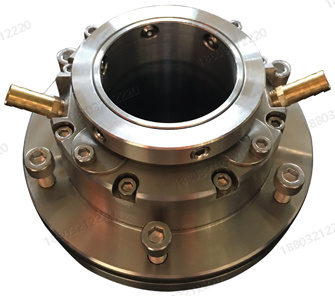
In a concentrator the slurry is finer than at the mine: mill discharge, flotation feed, concentrate and tailings. Density fluctuates and reagents push pH alkaline or acid. In this duty rubber wetted parts are often more economical than metal.
Duty characteristics, wear patterns, selection notes and common questions for this industry, with the matching series and wear parts.
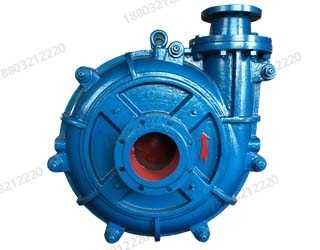
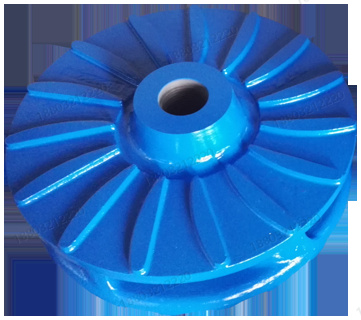
Common combinations; the final choice follows a duty calculation.
| Duty condition | Selection and material |
|---|---|
| Fine, mildly corrosive | Rubber impeller and rubber liners: better life than standard metal parts |
| Tailings with coarse solids | High-chrome alloy, or metal impeller with rubber liners by location |
| Froth and entrained air | AF froth pump with a de-aeration feature to avoid air locking |
| Aggressive reagents | Check pH and reagent concentration; consider corrosion-resistant alloy or rubber-lined construction |
Model pages list construction, code explanation and chart extracts; part pages list basic number and material.
Fine particles and alkaline pH favour rubber, which is also quieter. Coarse particles or higher temperature still favour metal. A mixed build is common: metal impeller with rubber liners.
Froth changes the effective density and suction conditions, so a conventional impeller eye can trap air. A froth pump uses a larger inlet and a different impeller design.
Higher density raises shaft power and pipeline resistance, pushing the pump away from its duty point. Use a VFD or throttling, and keep motor margin.
Medium, concentration, particle size, flow and head are enough to propose a pump, a material and a spare-parts list. For a replacement, a nameplate photo confirms the part numbers.
We reply within one business day. You can also call +86 188 0321 2220.
Please provide the pump model, nameplate data and duty parameters by phone or email. Performance charts and manuals can be read online.