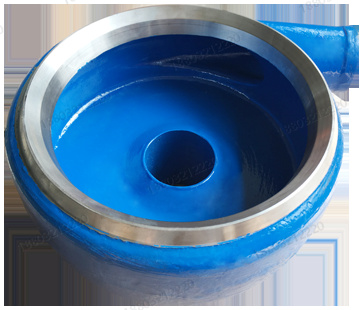
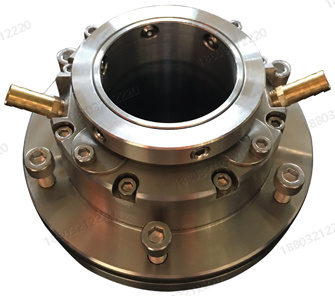
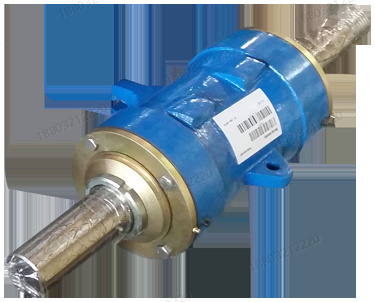
Power stations have three slurry duties: ash and slag handling, wet FGD limestone slurry circulation, and site wastewater. FGD slurry combines abrasion with chloride corrosion, which is why it uses a dedicated slurry circulation pump.
Duty characteristics, wear patterns, selection notes and common questions for this industry, with the matching series and wear parts.
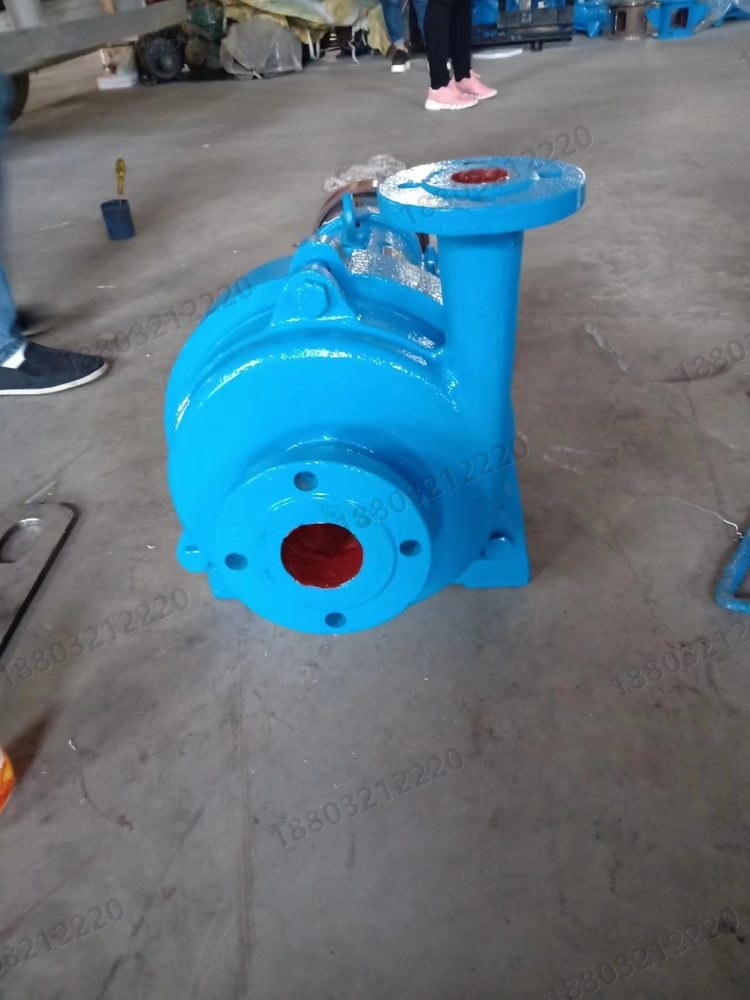
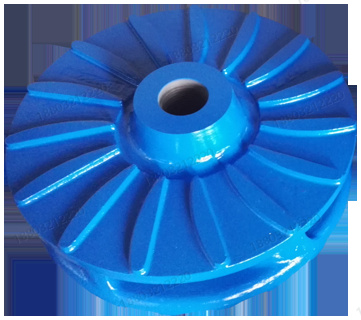
Common combinations; the final choice follows a duty calculation.
| Duty condition | Selection and material |
|---|---|
| Wet FGD slurry | DT series FGD pump, metal or rubber-lined, with mechanical seal and flush water |
| Ash and slag water | High-chrome wetted parts with large passage capability |
| Chloride-bearing slurry | Duplex stainless or rubber-lined options; avoid standard cast iron |
| High flow, low head | Low-speed large-flow unit to control wear rate |
Model pages list construction, code explanation and chart extracts; part pages list basic number and material.

Mainly high-chrome wear alloy (A05 / Cr26 / Cr27); rubber or p…

High-chrome wear alloy, wear-resistant rubber or polyurethane:…

Faces are commonly silicon carbide or tungsten carbide; metal …

Heavy rolling bearings (cylindrical roller plus thrust/angular…
Limestone and gypsum slurry contains chlorides, so metal parts corrode while they wear. Life falls well short of a pure wear estimate unless the alloy resists both.
Fine solids reach the seal faces, or flush water pressure is low or interrupted. Guarantee flush water quality, pressure and flow, and add protection.
Yes for fine ash water, where rubber reduces wear and friction. It is not suitable for coarse slag.
Medium, concentration, particle size, flow and head are enough to propose a pump, a material and a spare-parts list. For a replacement, a nameplate photo confirms the part numbers.
We reply within one business day. You can also call +86 188 0321 2220.
Please provide the pump model, nameplate data and duty parameters by phone or email. Performance charts and manuals can be read online.